The Ideas I Sat On for Years
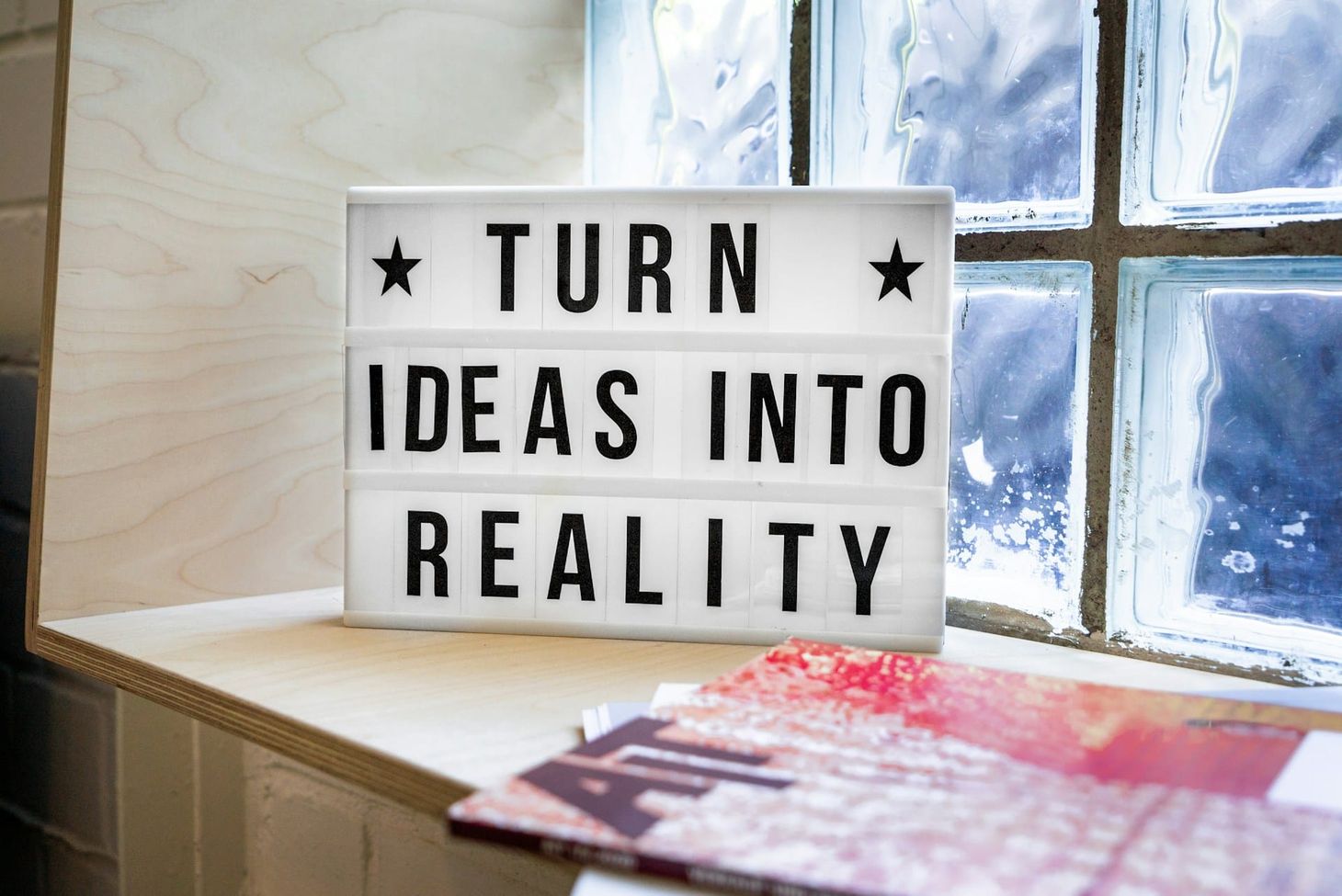
I have always been an ideas person. For most of my life that has been a mixed blessing. The ideas arrived freely, and then they stayed put, because the gap between having an idea and putting it into the world was filled with people I had to pay, trust, and wait on.
Taking anything into the digital space meant developers. Developers were expensive, the timelines slipped, and the results were a gamble. Every idea came with a price tag attached before I knew whether it had any merit at all. So I would weigh it up, and most of the time I would let it go. Over the years that did something to me. I became disillusioned with sharing what I made. I learned to keep ideas to myself because the cost of testing them was too high. That is a stifling place to live, especially for someone whose head is full of things he wants to say.
About a year ago I was trying to get my Enneagram typing tools onto the web. There is a fair amount of logic sitting behind that work, so I went to a web design agency to scope it. They quoted me £17,000! I did not have it, I did not want to spend it, and I could not see the case for spending it on something I had not yet proven. So I went back to my spreadsheets. Two or three of them, stitched together, clunky but workable. They supported my coaching well enough. They did the job. But they were a holding pattern, not a way of sharing anything.
Then Claude arrived, and the maths changed completely.
The tools I had been sitting on for years, I can now build and put in front of people. The seventeen-thousand-pound app is no longer a wall I cannot get over. I get to make the thing, test it, and see whether it lands. That is the part I want to be clear about, because people do say it to me. They say, you used AI to do that. And yes, I did. I used AI to share my creativity and my ideas with the world. I used it to execute on work I had been frustratedly holding for years.
What surprises people, and surprised me, is the effect that has had on the creativity itself. I expected a tool. What I got was permission. When you know you can get something out into the world, you start having more ideas worth getting out. The ripple effect of the work I care about reaches further, and reaching further makes me want to do more of it. I have become far more productive, not because I am working harder, but because the ideas no longer die at the first hurdle.
The same thing happened with my writing. Lately a lot of people have told me they have been moved by my essays. I am a good writer, and I am happy to say so. I do use Claude to sharpen what I write. It functions as an editor. The words are already mine, in my voice, and I do not feel I owe anyone a defence for using an editor. Ghostwriters have done far more than edit, for decades, for people whose names sit alone on the cover, and almost none of it was ever disclosed. Set against that, a writer who tells you he runs his own words past an editor at midnight is being unusually open. The result is that I write more, because the painful part, the editing and the fiddly precision of getting something ready to publish, no longer stops me. The pain has been taken out of the bit I dread, and what is left is the bit I love.
The piece I am most pleased with recently is the podcast. I have started turning my essays into audio, and I want to be open about how. I used ElevenLabs, trained on my own voice. That training took six or seven hours of reading. When I listen back now, it sounds like me. It feels authentic to me, which is the test that matters. I have used it to voice the three episodes I have posted so far, and it has let me reach people who do not have time to sit and read: people who are running, driving, walking the dog. The feedback has been generous.
One good friend, someone who knows me and knows my voice well, gave me a note. She said the one thing she would change is that I should read them myself, without AI. It was not a big deal to her, said lightly and kindly, and I have kept turning it over since. Not because she was wrong to want it, but because I am curious about what it touched in her. What is it that we reach for when we ask to hear the actual breath of a person rather than a faithful version of it? I do not have a clean answer. I suspect there is a whole essay in that question, and I will probably write it.
But here is the thing I keep coming back to. Authenticity is not a verdict other people get to hand down. It is a personal test, and each of us holds our own. When I listen to those episodes, I recognise myself. The words are mine, the stories are mine, the voice was trained on mine over hours of my own reading. Whether that clears someone else's bar is, with respect, not the measure I am working to. I tried it the other way, to be fair to the question. I spent two or three hours yesterday recording the third episode in my own voice, editing it, cutting out the stumbles and the blurry bits where I lost my footing. And honestly, it was not as good. The ElevenLabs version was more polished than anything I could produce in those few hours. I say that without embarrassment. The point was never to prove I can sit in front of a microphone. The point was to get the story to the person who needs it.
And this is where I want to be careful, because the temptation is to make AI the whole story, and it is not. There is a real balance in how I work, and the human craft in it is the part I value most. Take the 8Notes brand. That identity was built by James Kindred, an old colleague, and it is beautiful: a Lissajous curve at the heart of it, the kind of idea and execution that comes from a person who has spent a career learning to see. No AI is going to do what James did there, and it was worth every bit of the doing precisely because it carries his hand.
I am following the same instinct for the new work. I am building a brand to support the coaching I am doing with couples in the early stages of their relationships, gathered under Key Differences. For that, I have just commissioned two people, life partners, whose craft I love and trust completely. Fi Meek, an oil painter who works in the lineage of the Old Masters and paints with real warmth, and Tom Meek, a calligrapher and heraldic artist whose lettering is made by hand. I want that brand to be touched by people, because some things should be.
So here is where I have come to. AI is taking a lot of criticism at the moment, and a good deal of it is fair. But I do not recognise the version of it that supposedly flattens creativity and hollows out thinking. That is not my experience. For me it has done the opposite. It has helped me execute. It has helped me share. It has given me back ideas I had given up on, and it has made me more productive and, strangely, more creative, because the work no longer dies in the gap between the thought and the thing. And where the human hand matters most, the brand, the artwork, the craft, I am still putting it firmly in human hands.
I am proud of what I am making and how I am making it. I am extending my ripple effect, telling my stories, building the things I sat with for so many years, and bringing in real artists for the work that calls for them. That is not something I need to defend. It is something I get to own. And more importantly, all this makes me happy!

Adrian Melrose Newsletter
Join the newsletter to receive the latest updates in your inbox.